
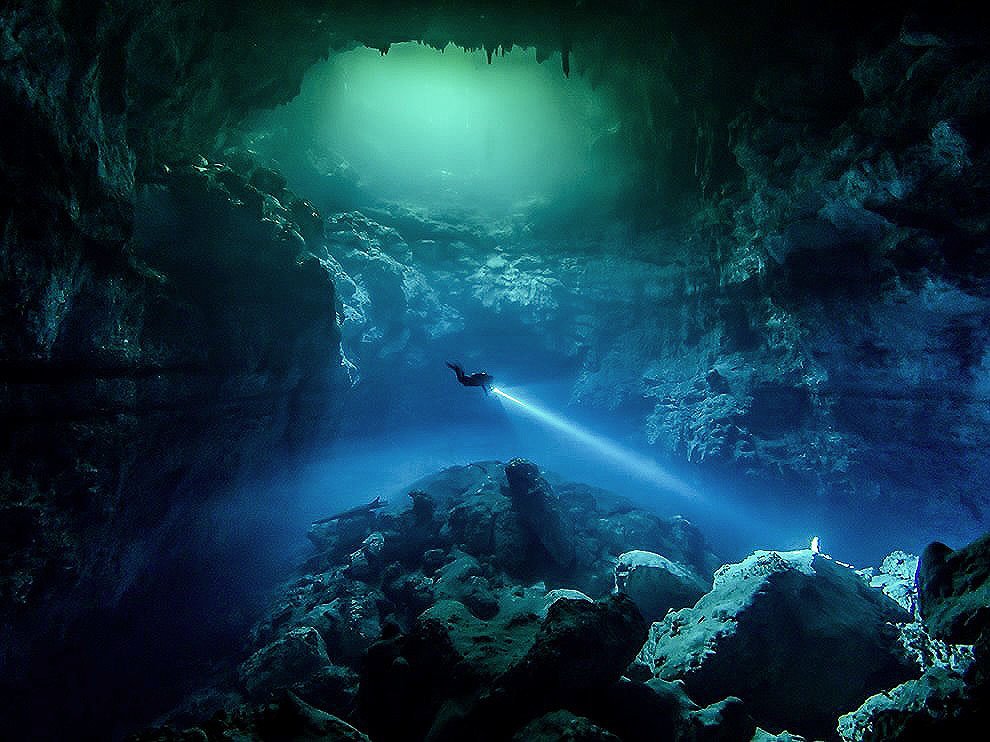
El Pit & Dos Ojos Cenote Diving in Tulum
Two iconic cenotes in one trip: the deep light beams of The Pit and the classic cavern beauty of Dos Ojos.
Dive two of the most iconic cenotes by Tulum in one unforgettable 2-dive tour.
This experience combines The Pit, also known as Cenote El Pit, with Dos Ojos, one of the most famous cavern diving sites in the Riviera Maya. The Pit is deep, vertical and dramatic, known for light beams, haloclines and the hydrogen sulfide layer. Dos Ojos offers a completely different feeling: crystal-clear water, limestone formations and classic cavern routes - Barbie line or Bat Cave line
Together, they create one of the most memorable cenote diving experiences in Tulum.
Price: $3000 MXN
Dive Tour Info
All dive plans are adjusted by your guide according to comfort, weather, site conditions and safety standards.
What’s Included
Your The Pit & Dos Ojos cenote diving tour includes:
2 guided cenote dives
Professional cenote dive guide
Scuba equipment
Dive briefing and site orientation
Transportation from the dive shop to the cenotes
Small-group service
Why Dive The Pit & Dos Ojos Together?
The Pit and Dos Ojos show two very different sides of cenote diving in Tulum.
The Pit is about depth, light and atmosphere. You descend into a wide vertical cenote where sunlight cuts through the water and creates one of the most dramatic scenes in the Riviera Maya.
Dos Ojos is about clarity, formations and classic cavern beauty. After the depth and intensity of The Pit, Dos Ojos brings you into calmer cavern routes with clear water, limestone passages and the peaceful silence that made this cenote famous.
One dive feels deep and powerful. The other feels elegant and timeless. That contrast is what makes this combination so special.
Not Included
Entrance Fees (to be paid in cash in MXN directly at the Cenotes)
The Pit & Dos Ojos Combo: $600 MXN
The Pit / Cenote El Pit Diving
The Pit starts before you even enter the water. From the surface, it can look almost simple — a blue opening in the jungle floor. The moment you descend, that changes completely.
This is one of the most dramatic cenote dives near Tulum, with a vertical profile, deep blue water, natural light beams and unique water layers. The full natural depth of Cenote El Pit is much deeper than recreational divers visit. On our guided dive, we stay within recreational limits and normally reach a maximum depth of 30 meters / 100 feet.
The descent gradually reveals the character of the cenote.
① The Halocline — 15–27 meters / 50–90 feet
As you go deeper, you reach the zone where freshwater and saltwater meet. This layer is called the halocline. The water can shimmer, blur and distort the light around you, creating the feeling of moving through an underwater mirage.
② The Hydrogen Sulfide Layer — 28–30 meters / 90–100 feet
Near the deepest part of the guided recreational dive, a milky hydrogen sulfide layer appears like an underwater cloud. Divers often call it the “cloud layer.” Submerged tree branches rest around this layer, creating one of the most surreal and memorable views in cenote diving.
③ The Light Show
As sunlight enters through the circular opening above, beams of light travel down into the water column. The effect changes throughout the day depending on weather, season and surface conditions, but The Pit is beautiful in every schedule. Whether you dive in the morning or afternoon, the combination of blue water, depth and natural light gives this cenote its cathedral-like feeling.
What makes El Pit special:
Dramatic vertical cenote profile
Famous natural light beams
Halocline with a shimmering distortion effect
Hydrogen sulfide “ghost layer”
Submerged tree branches near the cloud layer
Maximum guided recreational depth: 30 meters / 100 feet
One of the most memorable cenote dives near Tulum
Dos Ojos Cenotes Diving
After The Pit, Dos Ojos offers a classic cavern diving experience. The name means “Two Eyes,” referring to the two neighboring cenotes connected by the same cavern system.
Dos Ojos is known for crystal-clear water, limestone formations, wide cavern passages and beautiful swim-throughs. It is one of the most famous cenote diving sites near Tulum and a perfect contrast after the deep, vertical feeling of The Pit.
Depending on conditions, group level and guide planning, the Dos Ojos dive may follow one of the classic cavern routes such as Barbie Line or Bat Cave. Both routes offer clear water, formations and the calm, silent feeling that makes Dos Ojos such a memorable dive.
What makes Dos Ojos special:
Clear freshwater visibility
Classic cavern diving routes
Limestone formations and swim-throughs
Famous Barbie Line and Bat Cave routes
Beautiful contrast after The Pit
One of the most iconic cenote dives near Tulum
Who Is This Dive For?
This tour is designed for divers who want a deeper and more dramatic cenote diving experience in Tulum.
It is a good choice if you:
Are Advanced Open Water certified or equivalent
Feel comfortable descending to 30 meters / 100 feet
Have good buoyancy control
Want to dive The Pit safely with a local guide
Want to combine a deep cenote with a classic Dos Ojos cavern route
Have already done reef or cenote diving and want something more impressive
Are looking for one of the most memorable cenote diving combinations near Tulum
This is not a beginner cenote dive and it is not suitable for non-certified divers. If you are looking for a calmer cenote experience, we can recommend other options such as Dos Ojos, Casa Cenote & Carwash, or another route better suited.
Rated 4.9 on Google
Local Cenote Guides
Own Fleet
Small Groups
Years on Tulum Beach


El Pit Cenote & Dos ojos FAQs
-
Yes. For this combo, Advanced Open Water certification or equivalent is required because The Pit reaches a guided recreational depth of around 30 meters / 100 feet.
-
The natural depth of Cenote El Pit is much deeper than recreational divers visit. On our guided recreational dive, the maximum depth is around 30 meters / 100 feet. This is the limit used for the dive plan.
-
The halocline is the layer where freshwater and saltwater meet. At The Pit, this can be found between approximately 15 and 27 meters / 50–90 feet, creating mirage visual effect in the water as you descend.
-
Near 28 to 30 meters / 90–100 feet, The Pit has a milky hydrogen sulfide layer, often called the “cloud layer.” Submerged tree branches rest around this layer, creating one of the most famous views in cenote diving.
-
The light beams at The Pit are usually strongest when the sun is higher, often between late morning and early afternoon. Conditions change depending on weather, season and sunlight, so we never guarantee the exact light effect, but the 1:00 PM departure can be a good option for divers hoping to see the strongest beams.
-
Yes. This tour is designed for that exact combination: one dive at The Pit and one dive at Dos Ojos, usually completed in the same half-day trip from Tulum.
-
No. The Pit is a deep cenote and its main features are only visible to scuba divers. For cenote snorkeling, we recommend options like Dos Ojos, Casa Cenote or our guided snorkeling tours.
-
The Pit Cenote & Dos Ojos Combo: $600 MXN
Continue Exploring Cenote Diving in Tulum
-
![Cenote Dos Ojos Eye 1 underwater entrance]()
Dos Ojos Cenote Diving
Open Water Certification required.
Dive one of the most famous cenotes near Tulum. Dos Ojos or “Two Eyes”. The perfect introduction for a first cenote diving experience.
Known for its crystal-clear water, limestone formations, and two beautiful cavern routes: the Barbie Line and Bat Cave Line.Includes: Equipment, round trip transportation from dive shop, water.
Price: 2 dives: $3000 MXN
👉 Learn More -
![Instructor teaching bouyancy skills at an advance open water course in tulum mexico]()
Advance Open Water Course
Need Advanced certification before diving The Pit? Take your scuba classes in Tulum with five adventure dives and instructor guidance.
Price: 1 dive: $11,000 MXN
👉 Learn More -
![Diving Cenote Carwash in tulum mexico tanic acid mix]()
2 Dives: Cenote Angelita & Carwash "Aktun Ha"
Dive cenote Angelita & Carwash, a beautiful combination for advanced divers. Explore a deep dive through the underwater clouds of Angelita, followed by the verdant gardens and deep cavern passages of cenote Carwash.
👉 Learn more → -
![Diver in a reef cave exploring the mesoamerican reef in tulum mexico with mexidivers]()
Reef Diving in Tulum
Explore reef diving in Tulum on the Mesoamerican Reef, with relaxed ocean dives, coral formations, tropical fish, turtles, rays, and beautiful Caribbean marine life. A great option for certified divers looking for easy, scenic scuba diving in Tulum.
-
![Diver doing Cenote Diving at casa cenote in tulum mexico]()
Cenote Diving
Compare all our cenote diving options and choose the best route for your certification level, comfort and experience.
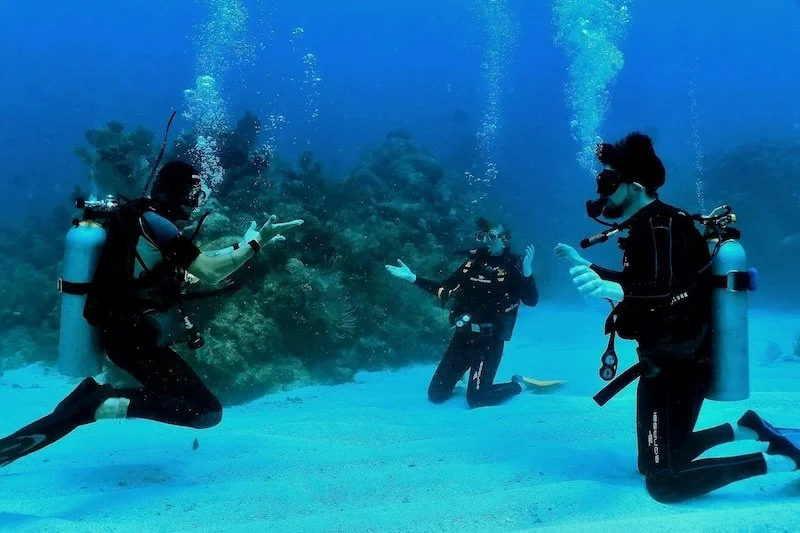

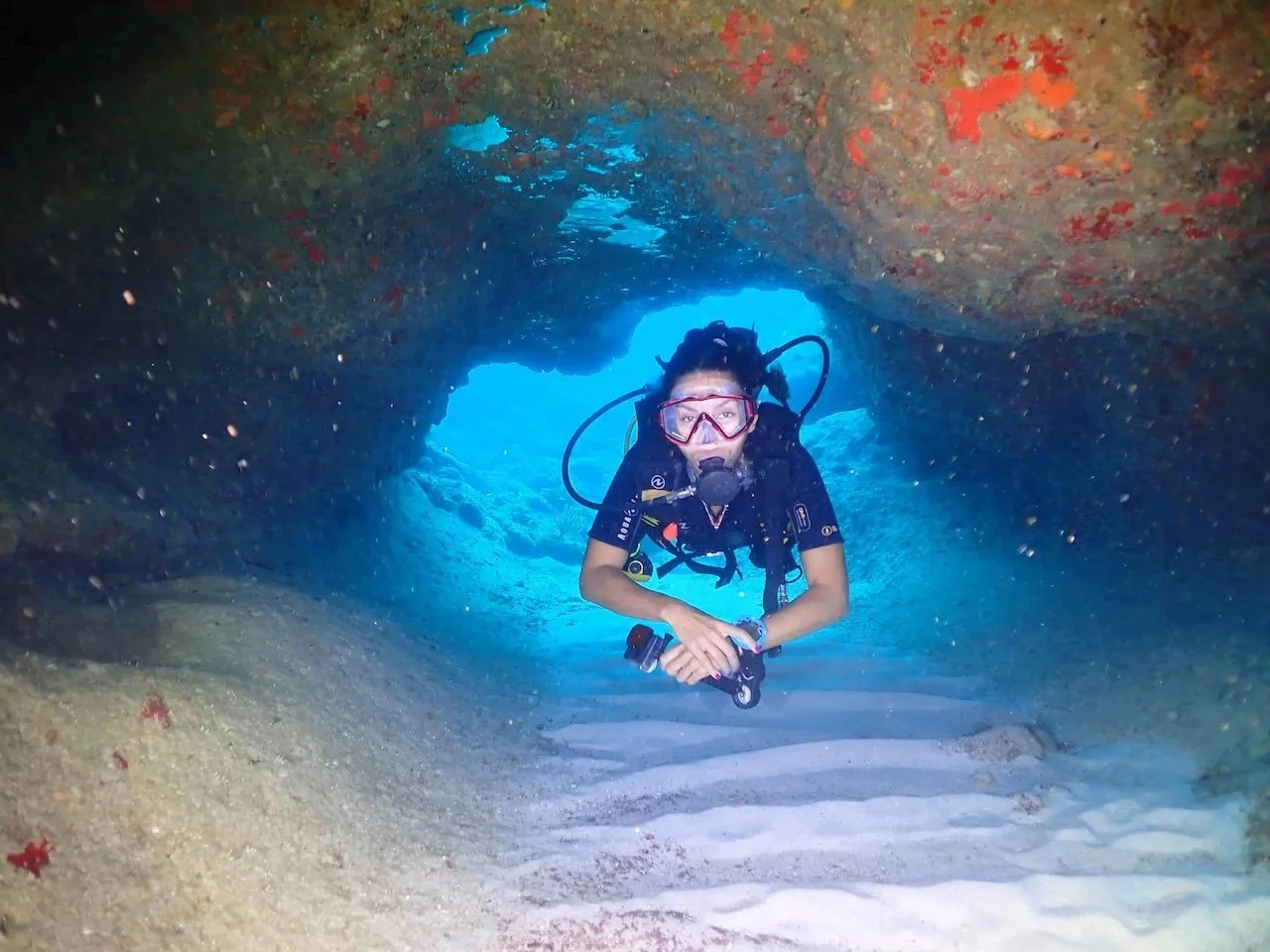

Ready to Dive The Pit & Dos Ojos?
There are dives you do, and dives you remember for the rest of your life. The Pit is one of them.
Experience the dramatic depth, light beams and halocline of The Pit, then continue into the classic cavern beauty of Dos Ojos.
Small groups, local guides and a calm approach to cenote diving in Tulum.