
Snorkeling in Tulum 2026: Cenotes vs Reef – Which Is Right for You?
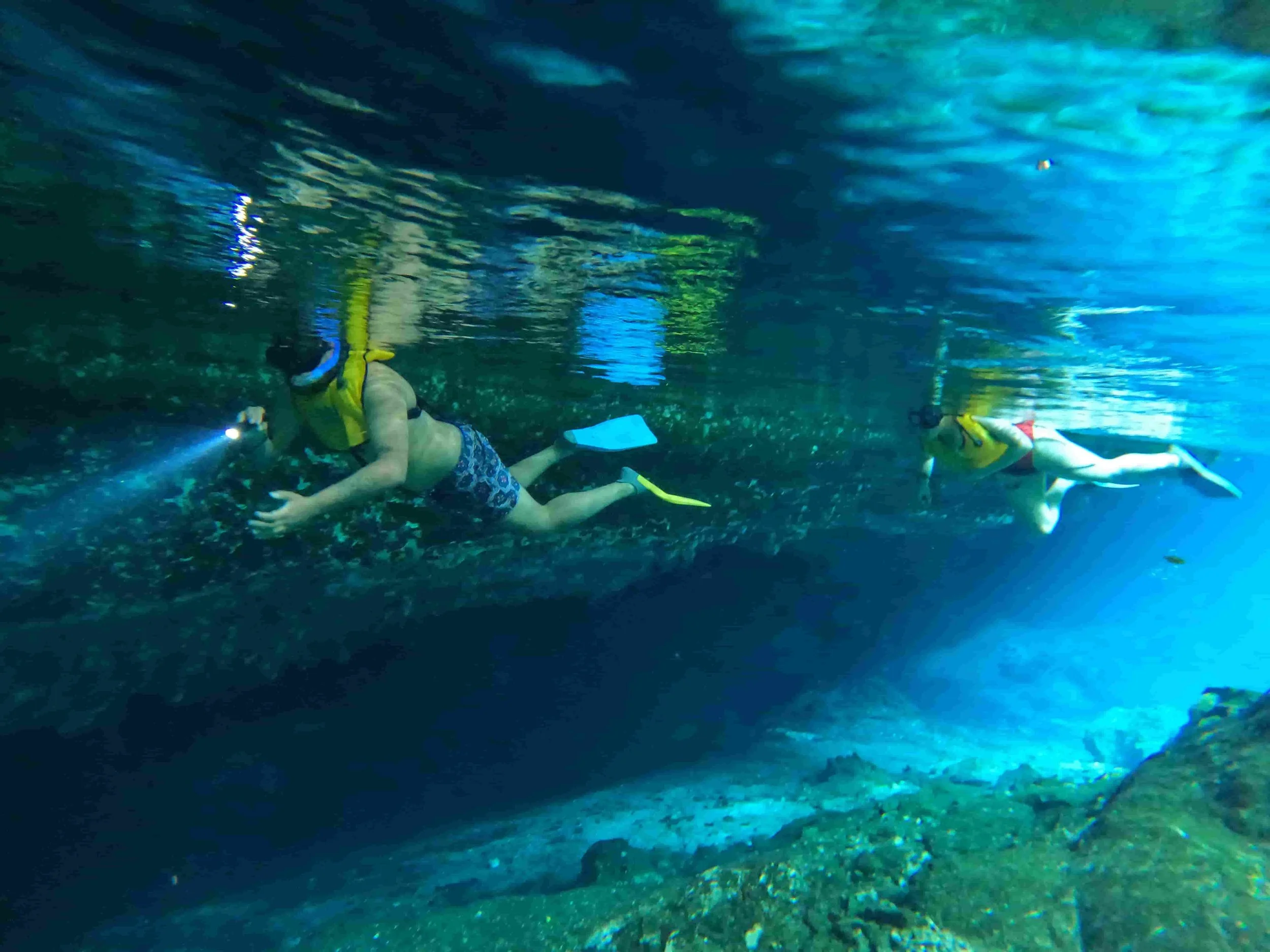
Every week someone walks into our dive shop on Tulum Beach and asks the same question:
"Should I do the cenote or the reef?"
It's a genuinely good question — and the honest answer is that they're completely different experiences. Snorkeling in Tulum gives you two worlds: warm saltwater full of fish and coral on one side, and cool freshwater with prehistoric rock formations and an otherworldly silence on the other. Both are stunning. Both are worth doing.
But depending on who you are, what you're looking for, and how much time you have — one might suit you better.
Here's our honest local guide to the best snorkeling in Tulum in 2026. We've been running tulum snorkeling tours from this beach for over 20 years — this is what we actually tell people when they ask.
What Makes Tulum Snorkeling Different From Everywhere Else
Most beach destinations offer one type of snorkeling. Tulum mexico snorkeling gives you two completely different underwater worlds within 30 minutes of each other — and that's genuinely rare.
On one side, you have the Mesoamerican Barrier Reef — the second largest coral reef system on Earth, running along the entire Caribbean coastline. Warm, salty, shallow, full of life.
On the other side, buried beneath the Yucatán jungle, is one of the world's most extensive underground river systems — hundreds of kilometers of freshwater caves and open sinkholes called cenotes. Crystal clear, cool, and unlike anything in the ocean.
Most snorkeling destinations make you choose one. In Tulum, you can do both on the same morning.
Reef Snorkeling in Tulum — What to Expect
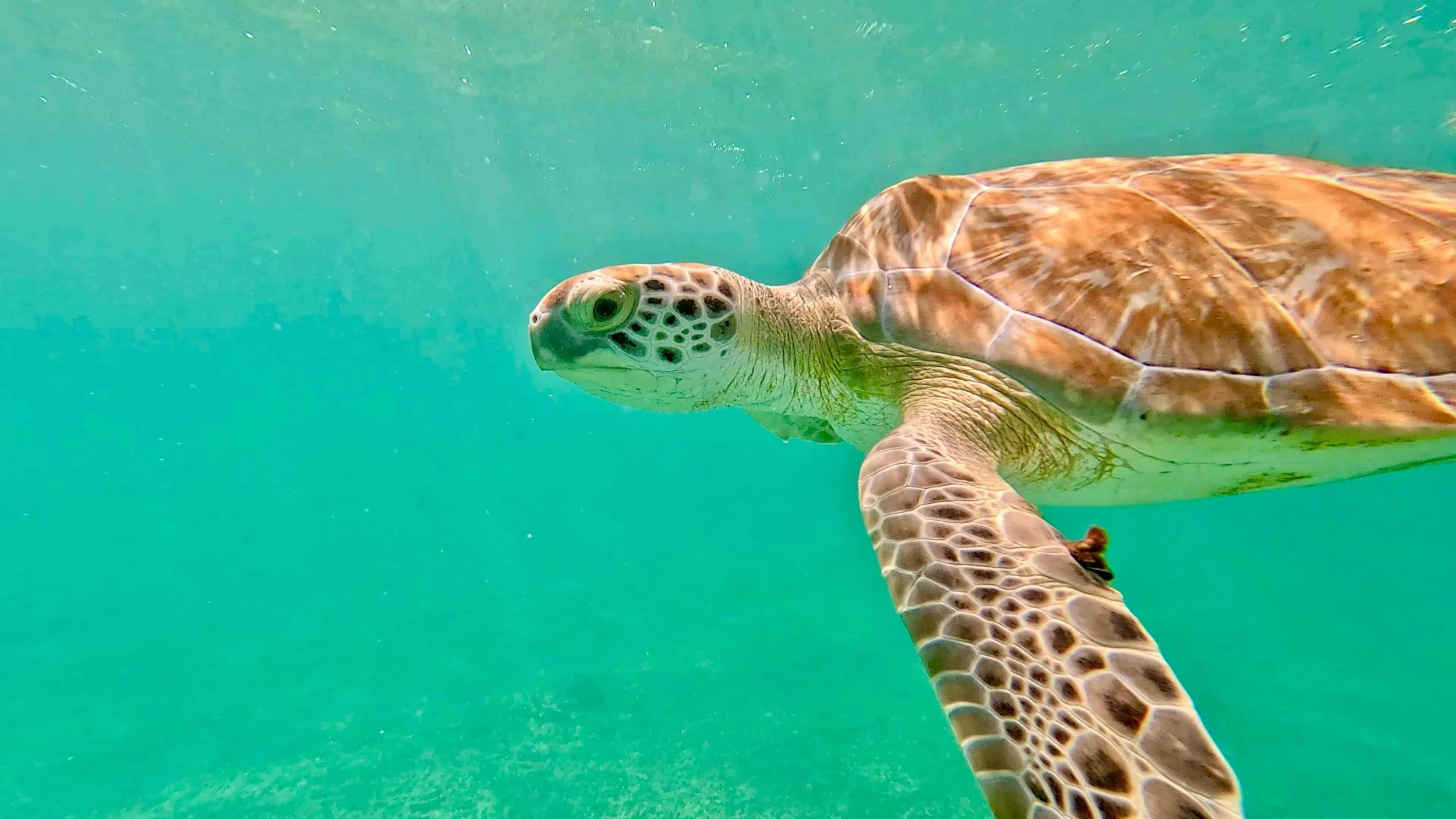
The Tulum reef sits just a short boat ride from the beach. It's part of the same reef system that stretches all the way to Belize — and while it gets less attention than Cozumel, it's quieter, less crowded, and genuinely beautiful.
Tulum snorkeling with turtles is the headline experience here. Hawksbill and green sea turtles are spotted on almost every tour we run — Tulum's reef is one of the most reliable places in the entire Riviera Maya to see them in the wild, without crowds, without ropes, without a hundred other snorkelers around you.
Beyond turtles, expect parrotfish, angelfish, sergeant majors, spotted eagle rays gliding over the sandy bottom, and colorful coral formations that have been growing here for centuries.
Conditions in 2026: Water temperature sits between 27°C and 29°C through summer, dropping to around 24°C in winter. Visibility is typically 10–20 meters offshore, with the calmest conditions in the morning before afternoon winds pick up.
One thing worth knowing: snorkeling in Tulum beach directly is not the same as snorkeling the reef. The beach is shallow, often has sargassum in summer, and the coral reef barrier is offshore. A proper guided reef tour takes you by boat to the actual reef wall — not the patchy coral near shore. Tulum and snorkel tours that don't include a boat are not showing you the real reef.
Best for:
First-time snorkelers
Families with children
Anyone who wants to see sea turtles & stingrays up close
Ocean lovers who prefer warm saltwater
Snorkeling Cenotes in Tulum — What to Expect
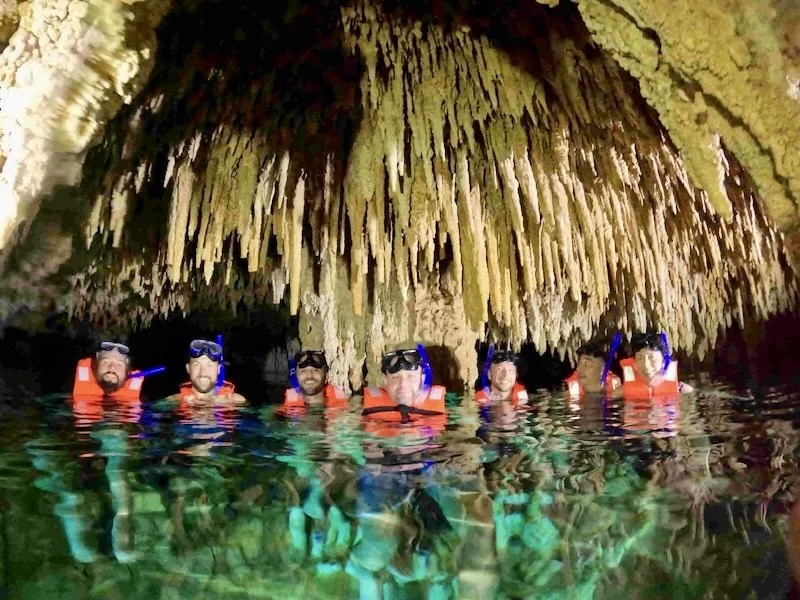
Snorkeling in the cenotes of Tulum, Mexico is something most people have never done before — and it shows on their faces when they first get in the water.
The visibility is extraordinary. In many cenotes you can see 30, 40, sometimes 60 meters in every direction. The water is a shade of blue-green that doesn't look real. Sunlight drops through the opening above and hits the water in rays that illuminate stalactites hanging from the ceiling like chandeliers. It's completely silent except for the sound of your own breathing.
It feels less like snorkeling and more like floating through a cathedral.
Finding the Best Tulum Cenotes for Snorkeling
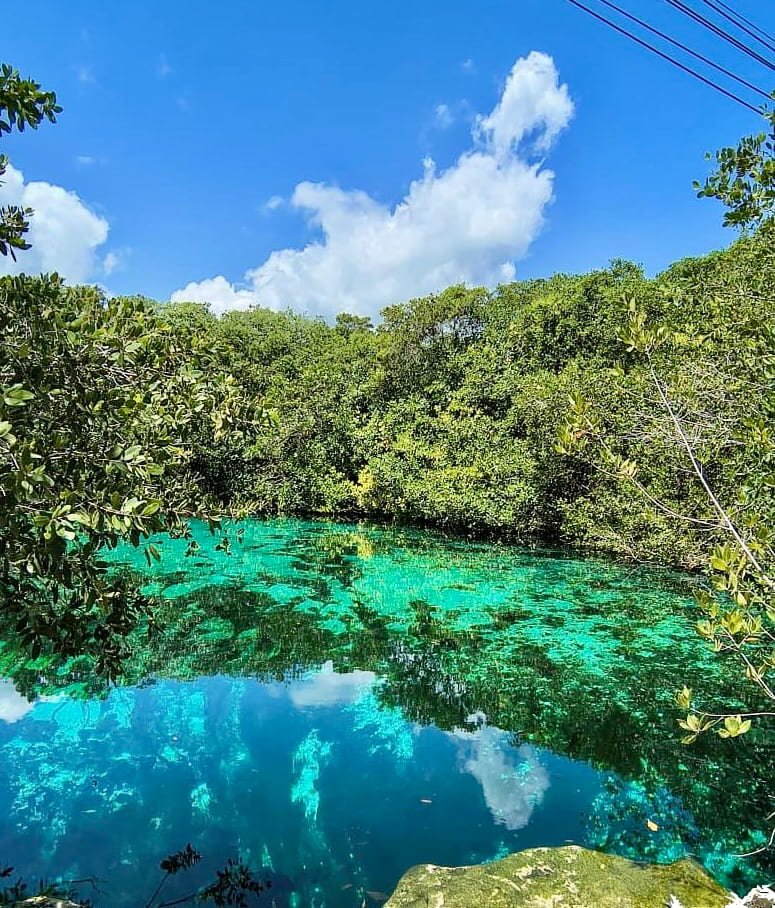
Not all cenotes are equal for snorkeling — some are better suited to cenote diving, others to swimming, and a few are genuinely perfect for a guided snorkel tour. Here are the ones worth your time in 2026:
Casa Cenote Our go-to for beginners and families. An open-air cenote connected to the sea, lined with mangroves, with a halocline layer where fresh and saltwater blend into a shimmering visual effect. Calm, shallow, genuinely magical. Maximum depth around 6 meters. About 11 km from Tulum Beach — easy to reach on any tulum and snorkel tour.
Nohoch Cenote Tucked deep into the jungle, with dramatic limestone walls and incredible light beams when the sun is directly above. Less visited than the tourist-heavy cenotes closer to town — you often have it nearly to yourself. This is where we take our cenote snorkeling tulum tours.
Dos Ojos Primarily a diving site, but the open areas are accessible to snorkelers and jaw-droppingly beautiful. For tulum cave snorkeling, Dos Ojos is the standout — partially lit caverns, ancient formations, and visibility that stretches beyond what your eyes can process. Best visited early morning before the dive groups arrive.
What you'll see: Small freshwater fish, roots from jungle trees reaching down through the water, and the geological formations themselves: stalactites, stalagmites, and rock formations that took hundreds of thousands of years to form. The star of the show is the light and the clarity of the water itself.
Best for:
Anyone who wants something truly unique
Families looking for calmer, shallower water
Anyone who finds the ocean intimidating
Photography enthusiasts — cenotes are spectacular to photograph
Cenote vs. Reef — The Honest Comparison
| Feature | 🐠 Reef Snorkeling | 🏊 Cenote Snorkeling |
|---|---|---|
| Water type | Warm saltwater | Cool freshwater |
| Visibility | 10–20 meters | 20–60+ meters |
| Marine life | Fish, turtles, rays, coral | Freshwater fish, rock formations |
| Conditions | Calm mornings, some chop | Always calm, always clear |
| Best for | Ocean lovers, turtle seekers | Everyone, especially first-timers |
| Unique factor | Living reef ecosystem | Nowhere else on Earth looks like this |
| Duration | ~2 hours | ~3.5 hours |
| Price | $1,340 MXN | $1,800 MXN |
Can You Do Both in One Day?
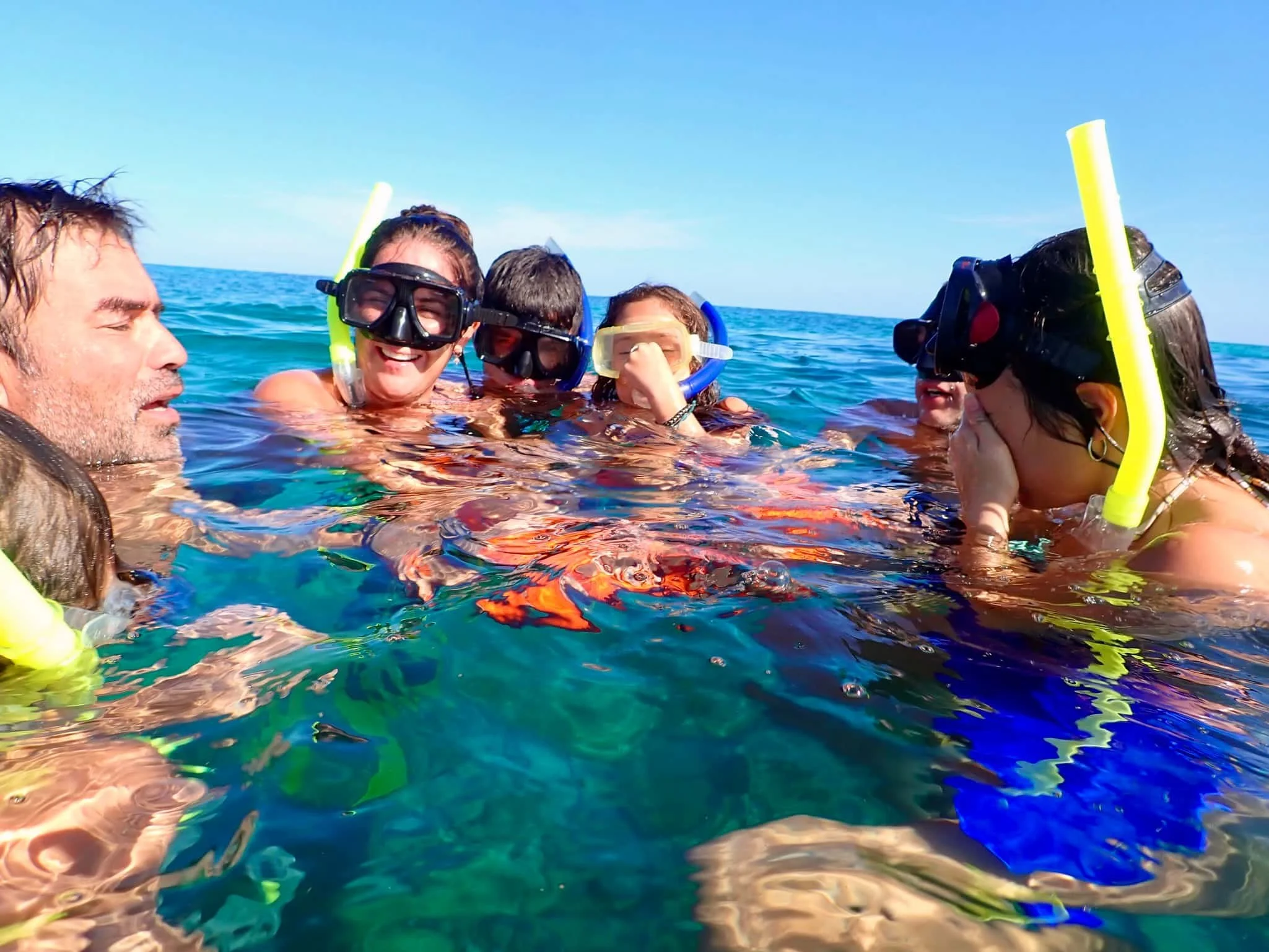
Yes — and it's one of the best days you can have in Tulum.
Our tulum snorkeling tours depart at 8:30 AM daily. A reef snorkeling tour runs until around 11:00 AM. A cenote tour runs until around 12:30 PM. Back-to-back they fit comfortably into a single morning since we handle all transportation directly from our shop on Tulum Beach.
A combined reef + cenote day gives you:
Tulum snorkeling with turtles on the Caribbean reef in the morning
Crystal-clear stalactite caverns when you snorkel cenotes tulum in the afternoon
Back at your hotel by 1:30 PM with the afternoon free
It's the full Tulum underwater experience in one go.
→ Ask us about combining tours when you book — we'll sort the timing.
What to Know Before You Go — 2026 Update
Sargassum: For the best snorkeling near tulum during summer months, offshore reef tours and cenotes are always your safest bet. Sargassum affects beaches from May onward — our boats go beyond the sargassum belt. Snorkeling in tulum beach directly during summer is often disappointing. We'll always give you an honest conditions update before you go.
What about Akumal? Tulum akumal snorkeling is famous for sea turtles in shallow water, but it gets very crowded — roped sections, large groups, limited time with the turtles. Our reef tours offer the same turtle experience with far fewer people and no ropes. Worth knowing before you book.
Cenote entrance fees: Most cenotes charge separately from the tour — typically $200–$500 MXN depending on the site. Always confirm what's included before booking any tulum mexico snorkeling tour.
Reef-safe sunscreen: The Mesoamerican Reef is a protected marine area. Regular sunscreen is banned in the water. Wear a rash guard — we provide them on all our tours.
Cenote etiquette: No sunscreen, no bug spray, no touching the formations. The freshwater ecosystem is fragile and the formations take thousands of years to form. We take this seriously on every tour.
Best time to go: Morning. Always morning. Snorkeling tulum reef is calmest before 11 AM, and cenotes get busier as the day goes on. Our 8:30 AM departure hits both environments at their best.
How to Book Snorkeling Tours in Tulum
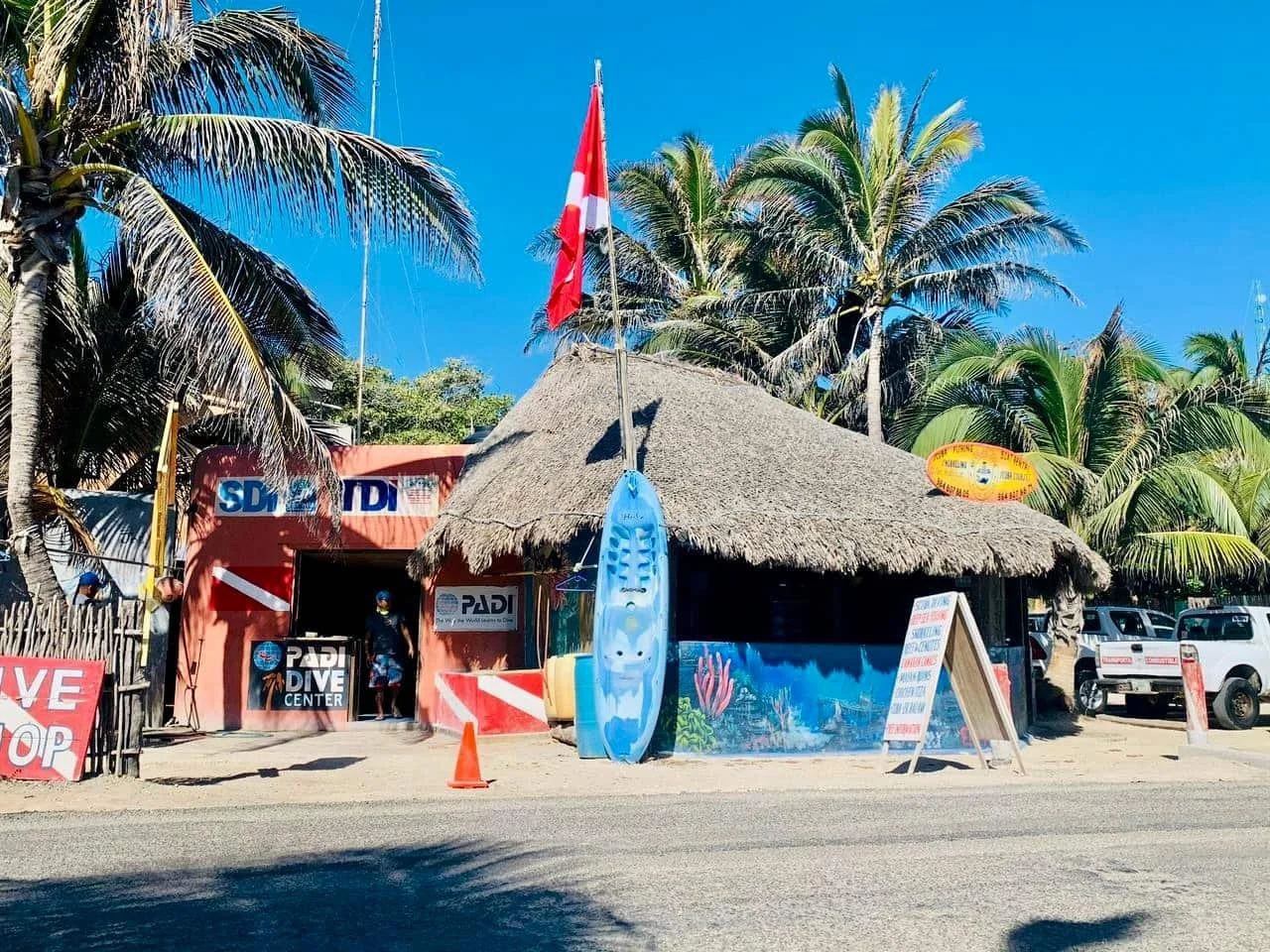
There are dozens of operators in tulum and snorkel tours ranging from large group buses to small private guides. A few things to look for:
Boat access to the actual reef — not beach snorkeling close to shore
Small groups — max 8–10 people means more time in the water
Local guides who know the specific spots and marine life
Equipment included — mask, fins, rash guard or wetsuit
At Mexidivers we run small-group tulum snorkeling tours daily from our shop on Tulum Beach. Reef tours at 8:30 AM, cenote tours at 8:45 AM, both departing from right outside our door with no shuttle, no middleman, no wasted time.
→ [Book Reef Snorkeling Tour →] → [Book Cenote Snorkeling Tour →]
Frequently Asked Questions
Do you need to know how to swim for snorkeling in tulum? Basic comfort in the water is enough. We provide life vests on all tours. Children as young as 5 snorkel with us regularly — no strong swimming ability required.
Is snorkeling in Tulum safe? Yes — with a guided tour. The reef requires a boat and cenotes require local knowledge. With a guide, both environments are calm and safe. Solo snorkeling in tulum beach is a different story — currents, depth, and sargassum make it unpredictable.
What's the water temperature for snorkeling in tulum mexico? The Caribbean reef stays between 24°C–29°C year-round. Cenotes are a consistent 24°C regardless of season — refreshing in summer, slightly cool in winter. A rash guard is comfortable for most people.
Is there sargassum for tulum mexico snorkeling? It varies by season. Sargassum typically arrives from May through September and affects beaches significantly. Our reef tours go offshore beyond the sargassum belt, and cenotes are completely unaffected. We update guests on current conditions before every tour.
What's the difference between cenote snorkeling tulum and reef snorkeling? Completely different environments — reef snorkeling is warm saltwater with fish, turtles and coral. Cenote snorkeling is cool freshwater with prehistoric rock formations and extraordinary visibility. Most people say the cenote is the more unique experience. We say do both.
How much do tulum snorkeling tours cost? Our reef snorkeling tour is $1,340 MXN (approx. $76 USD) for around 2 hours. The cenote snorkeling tour is $1,800 MXN (approx. $102 USD) for 3.5 hours. Both include equipment and transportation.
Snorkeling in Tulum is one of those experiences that stays with you.
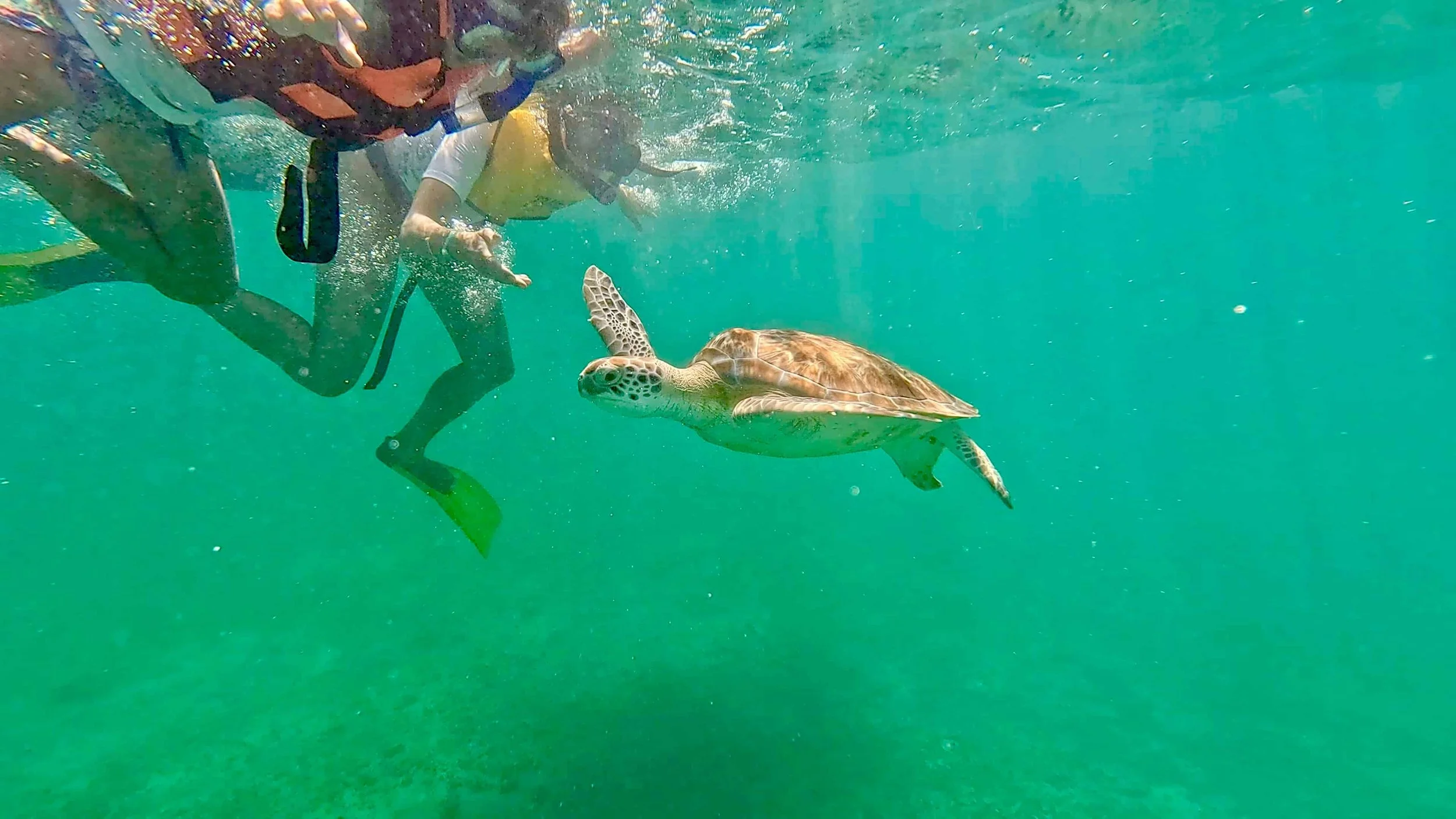
Not because it's the most extreme thing you'll do on your trip — but because floating in 40-meter visibility inside an ancient cenote, or drifting alongside a sea turtle on a Caribbean reef, is the kind of quiet wonder that's hard to find anywhere else in the world.
Ready to snorkel Tulum's cenotes and reef in one morning?
[Book Reef Snorkeling →]$1,340 MXN · Daily 8:30 AM
[Book Cenote Snorkeling →]$1,800 MXN · Daily 8:45 AM
[WhatsApp us with questions →]